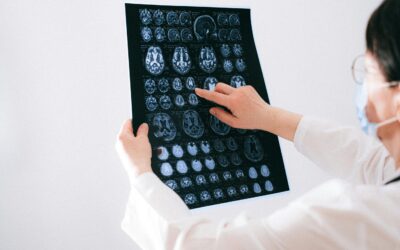
Can You Fully Recover From a Traumatic Brain Injury?
Understanding recovery rates — including what factors affect outcomes and how rehabilitation can improve long-term recovery.
Request our Free Book on Traumatic Brain Injury

A traumatic brain injury (TBI) occurs when a sudden blow or jolt to the head disrupts normal brain function. TBIs range from mild concussions to severe brain damage, and the extent of recovery can vary widely from person to person.
One of the most common questions patients and families ask is: Can someone fully recover from a traumatic brain injury? The answer is complex. Some people experience a complete or near-complete recovery, while others live with long-term cognitive, physical, or emotional effects.
The outcome largely depends on factors such as injury severity, treatment access, rehabilitation, age, and overall health.
Key Takeaways
- Full recovery is possible for some people, especially after mild traumatic brain injuries like concussions.
- Recovery outcomes vary significantly depending on injury severity and individual health factors.
- Most improvement happens within the first 3–6 months, but recovery can continue for years.
- Rehabilitation and early medical care greatly improve outcomes.
- Even when full recovery isn’t possible, many individuals regain independence and quality of life.
Fatigue and cognitive slowing are common after TBI. These are not signs of ordinary forgetfulness, aging or laziness; they are real symptoms that require support.
Understanding Traumatic Brain Injury Recovery
It’s important to know that the possibility of recovery depends on the severity of the injury. Traumatic brain injuries are typically categorized as mild, moderate, or severe, and recovery expectations differ for each.
Mild Traumatic Brain Injury (Concussion)
Mild TBIs account for about 85% of all brain injuries and generally have the most favorable outcomes. Research shows:
- Nearly 98% of individuals with mild TBI are functionally independent within one year.
- About half of patients experience complete recovery, while others may have lingering symptoms such as headaches, fatigue, or memory difficulties.
However, recovery isn’t always quick. Studies suggest that only around half of concussion patients fully recover within 6 months, highlighting the variability of outcomes.
Moderate Traumatic Brain Injury
Moderate TBIs often require hospitalization and rehabilitation.
- Approximately 60% of patients achieve significant recovery, though some may experience lasting disabilities.
- Many individuals return to daily activities, but cognitive or emotional challenges can persist for years.
Severe Traumatic Brain Injury
Severe TBIs involve prolonged unconsciousness, coma, or extensive brain damage.
- Only 25–33% of patients experience a positive long-term outcome following severe injury.
- Nevertheless, research shows that recovery can continue for several years, with some patients improving even 2 years after injury.
Long-term studies suggest that brain recovery can continue for up to a decade, demonstrating the brain’s capacity for gradual adaptation and healing.
Source: Journal of Neurotrauma
Factors That Influence TBI Recovery
Experts emphasize that no two brain injuries are exactly the same. According to the U.S. Centers for Disease Control and Prevention (CDC), recovery depends on several factors, including:
- Severity and location of the injury
- Age and overall health before the injury
- Access to specialized medical care and rehabilitation
- Family and social support
- Participation in physical, cognitive, and occupational therapy
Early treatment and ongoing rehabilitation can significantly improve long-term outcomes.
The Role of Rehabilitation
Rehabilitation is often the cornerstone of traumatic brain injury recovery. Treatment programs may include:
- Physical therapy to regain strength, balance, and coordination
- Occupational therapy to relearn everyday skills
- Speech and language therapy for communication challenges
- Neuropsychological therapy to address memory, attention, and emotional changes
The goal of rehabilitation is not only to restore lost abilities but also to help patients adapt and maintain independence.
Source: National Institute of Neurological Disorders and Stroke
Can the Brain Heal After Injury?
The brain has a remarkable ability called neuroplasticity, which allows it to reorganize and form new neural connections. Through therapy, repetition, and practice, other parts of the brain may learn to compensate for damaged areas.
This adaptability is one reason why people can continue improving months or even years after their injury.
Source: Brain Injury Association of America
When Full Recovery Isn’t Possible
While some individuals return to their pre-injury state, others experience lasting challenges such as:
- Memory or concentration problems
- Emotional or behavioral changes
- Chronic headaches or fatigue
- Mobility or coordination issues
Even in these cases, many people regain independence, return to work, and lead fulfilling lives with the help of rehabilitation and support systems.
Source: Eunice Kennedy Shriver National Institute of Child Health and Human Development
Final Thoughts
So, can you fully recover from a traumatic brain injury? For many people — especially those with mild TBIs — the answer is yes. But recovery exists on a spectrum. Some individuals achieve full recovery, while others experience long-term effects that require ongoing management. The most important takeaway is that recovery is often possible and can continue for years, particularly with early treatment, consistent rehabilitation, and strong support.
Source: Eunice Kennedy Shriver National Institute of Child Health and Human Development
FAQ — Common Questions After TBI
If physical, cognitive, or emotional issues interfere with daily life for weeks or months after injury, follow-up with a healthcare provider is essential. Early intervention often improves long-term outcomes.
Yes. Long-term risks include neurodegenerative diseases, sleep disorders, and ongoing emotional or cognitive changes, especially after repeated head injuries.
Educate yourself about the injury, establish routines, communicate openly, advocate for services, and seek emotional support through counseling or peer groups.
Our state-by-state resource guide helps you discover local treatment options, financial assistance programs, legal support, and community resources tailored to your needs.
Need help investigating your legal rights related to a TBI?
Speak to an experienced brain injury attorney team like Cohen, Placitella & Roth.
For five decades, CPR has successfully represented individuals and families in TBI cases nationwide working with qualified co-counsel.

Get Our Free Traumatic Brain Injury Book
To learn more about Traumatic Brain Injury request our comprehensive book, available for free directly to your inbox
Learn More

Can You Fully Recover From a Traumatic Brain Injury?