What to Do Immediately After a Traumatic Brain Injury: Evidence, Deadlines, and Your Legal Rights
Request our Free Book on Traumatic Brain Injury


Key Takeaways
- TBI investigations must begin promptly for two good reasons: getting the evidence and meeting court deadlines.
- It is the obligation of the injured party to obtain and preserve that evidence.
- The clock on a statute of limitations begins to tick on the day the incident occurs, and you have a set time to file the lawsuit.
- The failure to file on time can result in an injured person losing their right to ever pursue a claim for injuries.
- Through early consultation with an experienced TBI attorney, individuals and their families will meet all necessary filing deadlines and maximize their chances of a successful claim.
Prompt Investigation of TBI Claims
TBI investigations must begin promptly for two good reasons: getting the evidence and meeting court deadlines. Evidence is necessary in every case. It is the obligation of the injured party to obtain and preserve that evidence. Through early consultation with an experienced TBI attorney, individuals and their families will meet all necessary filing deadlines and maximize their chances of a successful claim.
In any case involving TBI or any severe injury, a consultation with an experienced lawyer is necessary early in the process. You will have questions and need experienced legal advice, and may need help to protect evidence before it disappears, locate witnesses, and perform a thorough investigation. That is what experienced lawyers do.
A TBI lawyer specializes in obtaining the maximum compensation for individuals with traumatic brain injuries. The best TBI lawyers are experienced, well-versed in the medicine and law, and have the knowledge to guide and advise people with brain injuries and their families throughout the legal process. Experienced lawyers have the history and ability to secure full compensation through jury verdicts and out-of-court settlements.
Most experienced lawyers will meet with you, advise you regarding the statute of limitations, and assess the viability of a claim. If an experienced attorney is available and believes in the claim, they can agree to represent you and your family on a contingent fee basis. A contingent fee means that there will be no legal fees or reimbursement of costs unless there is a recovery.
Our law firm has successfully recovered hundreds of millions of dollars in injury claims, and it has been our honor to work with some of the most experienced and successful lawyers and doctors across the country on behalf of our clients and their families.
Evidence to Preserve After a Traumatic Brain Injury
Evidence can come from a variety of sources. Experienced lawyers preserve vehicles and other products, take photographs and videos, recommend and arrange an autopsy when indicated, locate and interview important witnesses, have the incident scene examined by experts, and much more.
Finding an Experienced Lawyer for a TBI Case
Selecting a qualified brain injury lawyer is the initial step in pursuing compensation for a brain injury. Experienced lawyers who successfully represent individuals with brain injuries and their families work diligently to explore all legal options, including lawsuits against those that caused or worsened the injury. They also advise or refer to other experienced attorneys regarding various issues concerning insurance (health, disability and auto insurance) and government insurance and benefits.
Experienced attorneys identify the causes of and the grounds for a brain injury lawsuit. Experienced lawyers know how to determine the parties responsible for the injury and hold them financially accountable for the lifelong expenses that will be required to care for the person with disabilities. These attorneys can identify cases where the cause of the injury might not be clear. The law firms that do this work must have substantial financial resources to advance the costs needed to fully investigate and prove a case. It is expensive to hire top engineers, doctors, and scientists to investigate and prove these cases. Experienced firms can afford to and do advance these costs on behalf of their clients, and if there is no recovery, they do not seek reimbursement of those costs from you.
Experienced lawyers guide their clients throughout the legal process, from building a persuasive case and filing lawsuits to negotiating settlements with insurance companies to succeeding at trial. They are committed to ensuring that brain injury victims and their families receive the compensation they rightfully deserve.
Experienced TBI lawyers, like those at Cohen, Placitella & Roth, along with our co-counsel across the country, offer nationwide representation for brain injury cases. Our firm has been nationally recognized for many years:
- The National Law Journal, Brain Injury Law Firm of the Year: Our firm was proud to be selected for this special recognition.
- LexisNexis Martindale-Hubbell, Preeminent Lawyers: Our attorneys receive the top distinctions for high ethical standards and professional ability, and the firm regularly earns the top ranking.
- The Best Lawyers® and Best Law Firms® in America are “the oldest and most respected peer-review awards in the legal profession.” We are honored and humbled that our lawyers and our law firm have been recognized for many years.
- Super Lawyers: Lawyers at our firm have earned rankings of Lawyer of the Year, Super Lawyer, and Rising Star.
- Professional Leadership: Our lawyers have been recognized and honored by civic, community and charitable organizations, local governments, courts, and bar associations for our involvement and leadership. Our lawyers are known nationally for continuously reaching out to assist colleagues throughout the US, and serving as co-counsel. Our lawyers are also frequently appointed by the courts to serve as lead counsel, co-liaison counsel, special-masters, judicial selection committees, and to serve on boards that review national laws and regulations.
- Public Interest Awards: Our lawyers work in their communities on behalf of severely injured children, disabled adults, people with TBI, and veterans.
By working with knowledgeable and experienced lawyers across the US, our clients’ claims are thoroughly and promptly investigated, and filed within the appropriate time limits and in the most advantageous state.
Qualities of an Experienced TBI Lawyer
Lawyers experienced in representing individuals and families in brain injury cases possess a combination of legal knowledge, compassion, medical knowledge, and the care and diligence needed to effectively represent individuals with brain injuries. They need to understand the impact of a brain injury diagnosis on an individual and their loved ones and strive to streamline the legal proceedings, allowing patients and families to focus on care and treatment.
An accomplished trial lawyer:
- Achieves significant settlements for their clients and has a proven history of success.
- Is recognized by peers and national organizations as a strong advocate for their clients’ legal rights.
- Has access to resources and experts essential for building a strong brain injury case.
- Demonstrates compassion and sensitivity toward clients’ needs and concerns, recognizing the profound effects of brain injuries on their lives as well as their family.
Hiring a TBI Lawyer
Patients and their families benefit from hiring experienced TBI lawyers to manage their legal matters. These attorneys understand the medicine, treatments, and outcomes, and they offer guidance on legal options, including securing critical time-sensitive evidence and presenting a compelling case on the clients’ behalf. Brain injury patients and their families can reach out to reputable brain injury attorneys for a case evaluation, which should include:
- A complimentary case review to explain claim eligibility and filing options.
- Identification of potential sources of compensation and benefits, such as settlements, government benefits, and insurance.
- A demonstrated wealth of knowledge and experience in successfully litigating brain injury cases and in the medicine and laws.
- An organized, professional investigation to obtain and protect pertinent evidence to support brain injury claims, including medical records, witness statements, documents, and physical evidence.
Brain injury patients and their families often have inquiries about the legal process. A skilled attorney understands the nuances of brain injury claims and is prepared to address any questions or concerns that may arise during the consultation. Frequent questions asked during client interviews include:
- Does your firm have experience and expertise in TBI litigation?
- Do I qualify for filing a TBI claim?
- What are the fees and costs associated with hiring a TBI lawyer?
- How long does it take to resolve TBI litigation?
- Can you provide examples of some of the firm’s successful TBI cases?
- Who pays the cost for investigating and filing a TBI claim?
- Will I need to travel if I decide to file a brain injury lawsuit?

Not sure where to start after a TBI? Get the free book for guidance on evidence, deadlines, and protecting your legal rights.
Time Limitations for Bringing Claims
All lawsuits for injury claims must be filed by or on behalf of the injured party with the court within certain time limitations (a statute of limitations). Time limits are established by law. The failure to file on time can result in an injured person losing their right to ever pursue a claim for injuries. People with TBI and their families must be aware of all deadlines.
It is essential to seek legal counsel promptly after a TBI to ensure compliance with statutes of limitations and to protect legal rights. Experienced brain injury lawyers guide individuals through the complexities of the legal system and help them navigate the claims process efficiently.
It is the obligation of the injured person, his guardian, family, or estate to file on time. Courts routinely dismiss lawsuits that are not filed on time. The clock on a statute of limitations begins to tick on the day the incident occurs, and you have a set time to file the lawsuit. Statutes of limitation for personal injury claims vary from state to state, but they typically range from one-to-six years. For more information, see the 50 State Resource Guide.
And there are other deadlines on injury claims established by another state laws, known as a statute of repose. For example, in Pennsylvania, lawsuits against builders or design professionals for construction defects are barred if they are filed more than twelve years after the date construction is completed. There are also statutes of repose laws concerning medical malpractice and products liability claims in some states.
In addition, most states have enacted tort claims notice statutes that set deadlines for filing a written notice of a potential claim against the government. And these notice requirements have truly short deadlines. If the written notice is not filed by or on behalf of the injured party within the time limits, following the instruction in the state law, it may affect or eliminate the ability to pursue any claim against the state or local government.
Each state has its own deadlines and rules. It is your obligation to follow these rules. Accordingly, whenever there any possibility that you will investigate a claim, you need to be aware of the deadlines as soon as possible, and do what is necessary to protect your rights. As previously recommended, in any case involving TBI or any severe injury, a consultation with an experienced lawyer is necessary early in the process. You will have questions and need experienced legal advice, and may need help to protect evidence before it disappears, locate witnesses, and perform a thorough investigation. That is what experienced lawyers do.
Statutes of Limitations
Courts will dismiss with prejudice an injury claim that is not filed within the state’s statute of limitations. There are limited exceptions as discussed below. Legal scholars agree that the reason for statute of limitations is finality and fairness. When the time to file passes, the opportunity to make a claim ends. As time passes, evidence and witnesses may become unavailable, or memories can change or fade. A statute of limitations requires the injured and innocent to promptly hire an experienced lawyer, obtain the evidence, and file the claim. This requires individuals with TBI (as able) and their families to be vigilant.
Statutes of Repose
A statute of repose is a state law that eliminates the right to take legal action in certain circumstances after a specific period, regardless of when the injury occurred. Courts usually determine that the time limit for a statute of repose begins to tick immediately after a specific event occurs. For example, in a claim for injuries caused by a defective product, the clock on the statute of repose would start on the date of the sale of the product. A statute of limitation, on the other hand, begins when the injury or damage that leads to the cause of action takes place. Both statutes (limitations and repose) can apply to the same claim, which can be complicated and lead to harsh results. A statute of repose may completely bar any claim or reduce or eliminate the time permitted to file under the statute of limitation, as explained below. This is yet another reason an injured person (as able) or their family that claim should consult an experienced lawyer as soon as possible to review the deadlines.
All fifty states have their own version of this type of law, and each state sets the repose period and defines all terms and conditions. Different statutes of repose typically apply to distinct types of cases, such as products liability, construction defects, and medical malpractice.
A products liability statute of repose, for example, eliminates a manufacturer’s liability for defective products after a specified number of years from the date of sale or date of first use of the product. Assume a state has a two-year statute of limitations and a ten-year statute of repose for a product liability claim. Assume that the injured party must file any lawsuit within ten years of the date the product was sold, and within two years of the date of the injury.
Under that state law, if an injury occurs eleven years after the original sale of the product, the injured party cannot make any claim. After the ten-year statute of repose passes, no person can bring a claim for injuries. It is “too late.” Under that same state law, if that injury occurs nine years after the original sale, then the injured party may have one year (or less depending on how the dates) to file the claim because the statute of repose would bar any claim after ten years, even though the injured party has two years to file a claim under the statute of limitations. As stated, these laws can lead to very harsh results.
Some states have adopted similar statutes of repose for claims arising out of construction defects. A statute of repose limits claims related to construction defects against builders, architects, and engineers by barring lawsuits after a certain number of years, typically from the date the construction project or renovation was completed.
Other states have statutes of repose that set time limits on medical malpractice claims, no matter when the injury is discovered. In one state that adopted this law, it was subsequently rejected by the state’s Supreme Court. For a time, Pennsylvania had a seven-year statute of repose in medical malpractice cases.1 Under that statute, if the discovery of the malpractice occurred seven years after the date of the negligent event, the statute of repose barred the injured person from pursuing any claim. However, in 2019, the Pennsylvania Supreme Court ruled Pennsylvania’s seven-year medical statute of repose violated the Pennsylvania Constitution’s guarantee of “open access” to the courts.2
Tort Claims Notices When the Government Is Involved
In addition, most states have enacted tort claims notice statutes that set deadlines for filing a written notice of a potential claim against the government. And these notice requirements have truly short deadlines. If the written notice is not filed by or on behalf of the injured party within the time limits, following the instruction in the state law, it may affect or eliminate the ability to pursue any claim against the state or local government.
In addition, some states that waive immunity require that the injured person or their counsel file a tort claims notice. This must be in writing and the rules can be harsh. In these states, an individual must notify the government in writing within a brief period after the incident and injury. A tort claims notice requires specific information including the name of the injured party, the location, a description of the incident and the injuries, and more. As mentioned, New Jersey requires notice within ninety days from the date of occurrence or accident, and the failure to provide complete information or the failure to deliver the notice to the correct party can have consequences, including barring the claim. These notice requirements are yet another deadline that must be met and could lead to the dismissal of the lawsuit if the notice is not timely filed.
Tort claims against the US must first be presented in writing to the appropriate federal agency within two years of accrual of the cause of action, and then a lawsuit must be filed in court within six months following denial by that agency. Failure to file an administrative claim will result in the lawsuit being dismissed.
Exceptions to the Statute of Limitations
Many states have exceptions to their statutes of limitations to file a personal injury claim. In practice, however, these exceptions are complicated and depend on extremely specific facts. Clients need the assistance of an experienced attorney when considering filing a lawsuit or overcoming a defense that the lawsuit was filed too late. Experienced lawyers follow the best practice of not relying on an exception to a statute of limitations if they can file within the established statute of limitations — for good reason.
General exceptions to the statute of limitation, available in some states, include the following:
In some states, the statute of limitations for claims on behalf of minors may be “tolled” (paused) by state law. Each state that has such a provision has its own version of this exception. In those states that allow minor tolling, the statute of limitations on a minor’s claim does not begin to run until the minor reaches the age of majority (typically age 18), at which time the law provides that former minors are given additional time to file. The rationale for this exception is that minors lack the legal capacity, maturity, and experience to fully understand and protect their rights and pursue legal action when they are injured or harmed. Once the minor reaches the age of majority, they have a set period to initiate legal proceedings regarding their claims. It is important for minors and their guardians to be aware of all the specific details of state law to ensure that they do not miss this deadline because this can get complicated. For example, New Jersey has a tolling statute for most claims that allows minors to file a claim until their 20th birthday (which is 2 years after majority and consistent with the New Jersey’s general 2 year statute of limitations for tort claims). However, there is a different statute of limitations in New Jersey for medical negligence claims which involve injuries suffered at birth; for those claims, the deadline for the child is age 13. This is an example why parents or guardians should always contact a lawyer as soon as possible to get advice regarding the statute of limitations. It can be very confusing. It is also important to remember that a minor’s tolling statute does not apply to claims for the death of a child. The minor’s tolling statute will not extend the statute of limitations where a child dies. The same statute of limitations typically applies to both adults and children, and the deadlines are established by the state laws regarding death claims, which are known as wrongful death and survival claims.
Occasionally, the reason for the failure to file a claim within the statute of limitations stems from the wrongdoer’s actions or misrepresentations, which mislead the injured party or lull them into not acting. Some states provide an exception to the statute of limitations in these situations. However, each state has its own version, rules, and court interpretation of this exception.
The discovery rule is available in some states and provides help to individuals who do not immediately realize they have been injured by someone else’s actions. In states that have adopted a discovery rule, it allows the statute of limitations to start when the injury is discovered or should have been discovered by the injured person, rather than when the negligent act occurred. For instance, if a surgeon negligently leaves a sponge inside a patient during surgery, the patient will have additional time to file a claim for injuries caused by this negligence starting from when they discover the sponge was left behind and caused injuries (which may not occur until years after the surgery). Obviously, this rule depends on the facts of each case. Courts narrowly apply in extremely specific situations. Also, see the discussion of the statute of repose below.
Some states have an exception to the statute of limitations for injured parties who are incapacitated. This exception recognizes that incapacitated individuals may not be able to understand or act on their legal rights. As a result, this exception provides that the statute of limitations is suspended during the period of incapacity, allowing these individuals additional time to file a claim once they regain sufficient capacity. In the states that have this exception, the clock on the statute of limitations will resume ticking if, as and when the person is no longer incapacitated.
Claims Against the Government
Traditionally, federal, state, and local governments had immunity from lawsuits. This meant that individuals could not sue the government for personal injury even when the government was negligent. In 1946, the Federal Tort Claims Act (FTCA) became law, and it provided a limited waiver of immunity for these claims. The FTCA provides that the US government is responsible for damages and injuries caused by federal employees in specific circumstances and in the same way that a private individual might be held legally responsible.
The FTCA provides that federal courts are the only jurisdiction to file claims “for injury or loss of property, or personal injury or death caused by the negligent or wrongful act or omission of any employee of the Government while acting within the scope of his office or employment, under circumstances where the United States, if a private person, would be liable to the claimant in accordance with the law of the place where the act or omission occurred.”
Since 1946, many states have passed similar laws that follow the FTCA and waive immunity to allow specific types of claims for personal injury to be brought against the state or local governments. The statute of limitations for personal injury claims against state and local government defendants is typically the same as for claims against other defendants.
However, state statutes place restrictions on claims against the government. For example, these laws limit the amount of money that an injured person can receive in a claim against the government (a damages cap). In Pennsylvania, for example, there is a $250,000 limit on personal injury damages recoverable in a lawsuit against the Commonwealth or its departments and a $500,000 limit on damages in a case against cities, counties, and local agencies or parties. Each state has its own rules for these claims, and in these situations, you should consult experienced counsel.
In addition, some states that waive immunity require that the injured person or their counsel file a tort claims notice. This must be in writing and the rules can be harsh. In these states, an individual must notify the government in writing within a brief period after the incident and injury. A tort claims notice requires specific information including the name of the injured party, the location, a description of the incident and the injuries, and more. As mentioned, New Jersey requires notice within ninety days from the date of occurrence or accident, and the failure to provide complete information or the failure to deliver the notice to the correct party can have consequences, including barring the claim. These notice requirements are yet another deadline that must be met and could lead to the dismissal of the lawsuit if the notice is not timely filed.
The procedure and deadlines to sue the federal government are set forth in the US Code. An injured party must first file an administrative claim, which provides notice of the nature and basis of the claim, a description of the injury, and demands payment for a “sum certain.” Tort claims against the US must first be presented in writing to the appropriate federal agency within two years of accrual of the cause of action, and then a lawsuit must be filed in court within six months following denial by that agency. Failure to file an administrative claim will result in the lawsuit being dismissed. The government must deny the claim in writing before a lawsuit by or on behalf of an injured person can be filed. However, if the government does not act on the claim within six months, the law provides that claim will be considered denied, and the injured party can then file a lawsuit.
There are unique deadlines and filing requirements regarding every claim. These laws set traps for the unwary. For more information and an evaluation of the facts and circumstances of a case, you should contact an experienced attorney as soon as possible.
Frequently Asked Questions About Taking Action After a TBI
The clock on a statute of limitations begins to tick on the day the incident occurs, and you have a set time to file the lawsuit. Statutes of limitation for personal injury claims vary from state to state, but they typically range from one-to-six years. The failure to file on time can result in an injured person losing their right to ever pursue a claim for injuries.
Some states have adopted a discovery rule, which allows the statute of limitations to start when the injury is discovered or should have been discovered by the injured person, rather than when the negligent act occurred. However, courts narrowly apply this rule in extremely specific situations. Many states have exceptions to their statutes of limitations, but these exceptions are complicated and depend on extremely specific facts. Clients need the assistance of an experienced attorney when considering filing a lawsuit or overcoming a defense that the lawsuit was filed too late.
Evidence can come from a variety of sources. Experienced lawyers preserve vehicles and other products, take photographs and videos, recommend and arrange an autopsy when indicated, locate and interview important witnesses, and have the incident scene examined by experts. An organized, professional investigation should obtain and protect pertinent evidence to support brain injury claims, including medical records, witness statements, documents, and physical evidence.
Most experienced lawyers will meet with you, advise you regarding the statute of limitations, and assess the viability of a claim. If an experienced attorney is available and believes in the claim, they can agree to represent you and your family on a contingent fee basis. A contingent fee means that there will be no legal fees or reimbursement of costs unless there is a recovery. Experienced firms can afford to and do advance costs on behalf of their clients, and if there is no recovery, they do not seek reimbursement of those costs from you.
Traditionally, federal, state, and local governments had immunity from lawsuits. Since 1946, however, the Federal Tort Claims Act became law, providing a limited waiver of immunity for these claims, and many states have passed similar laws. Some states that waive immunity require that the injured person or their counsel file a tort claims notice in writing within a brief period after the incident. New Jersey requires notice within ninety days from the date of occurrence or accident. Failure to file this notice on time can bar the entire claim.
In some states, the statute of limitations for claims on behalf of minors may be “tolled” (paused) by state law. In those states that allow minor tolling, the statute of limitations on a minor’s claim does not begin to run until the minor reaches the age of majority (typically age 18). For example, New Jersey has a tolling statute for most claims that allows minors to file a claim until their 20th birthday. However, there is a different statute of limitations in New Jersey for medical negligence claims which involve injuries suffered at birth; for those claims, the deadline for the child is age 13. It is also important to remember that a minor’s tolling statute does not apply to claims for the death of a child. The minor’s tolling statute will not extend the statute of limitations where a child dies. Parents or guardians should always contact a lawyer as soon as possible to get advice regarding the statute of limitations. It can be very confusing.
Lawyers experienced in representing individuals and families in brain injury cases possess a combination of legal knowledge, compassion, medical knowledge, and the care and diligence needed to effectively represent individuals with brain injuries. An accomplished trial lawyer achieves significant settlements for their clients and has a proven history of success, is recognized by peers and national organizations as a strong advocate for their clients’ legal rights, and has access to resources and experts essential for building a strong brain injury case. By working with knowledgeable and experienced lawyers across the US, our clients’ claims are thoroughly and promptly investigated, and filed within the appropriate time limits and in the most advantageous state.
Need help investigating your legal rights related to a TBI?
Speak to an experienced brain injury attorney team like Cohen, Placitella & Roth.
For five decades, CPR has successfully represented individuals and families in TBI cases nationwide working with qualified co-counsel.

Sources
1. Pennsylvania’s Medical Care Availability and Reduction Act (MCARE Act), 40 Pa. C.S.A. § 1303.513(a).
2. Yankos v. UPMC, 218 A.3d 1214 (Pa. 2019).
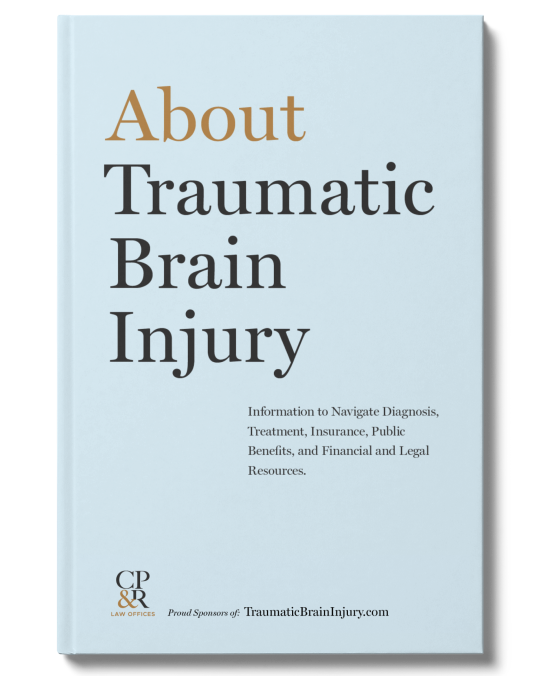
Get Our Free Traumatic Brain Injury Book
To learn more about Traumatic Brain Injury request our comprehensive book, available for free directly to your inbox