How and Why Do Doctors Determine the Severity of Traumatic Brain Injuries?
Learn how medical professionals classify traumatic brain injuries to guide treatment, recovery, and support.
Request our Free Book on Traumatic Brain Injury
Understanding the different classifications of traumatic brain injury can help patients and their families anticipate the types of treatment and ongoing support they may need, leading to better outcomes for all of those affected by this often life-changing diagnosis.
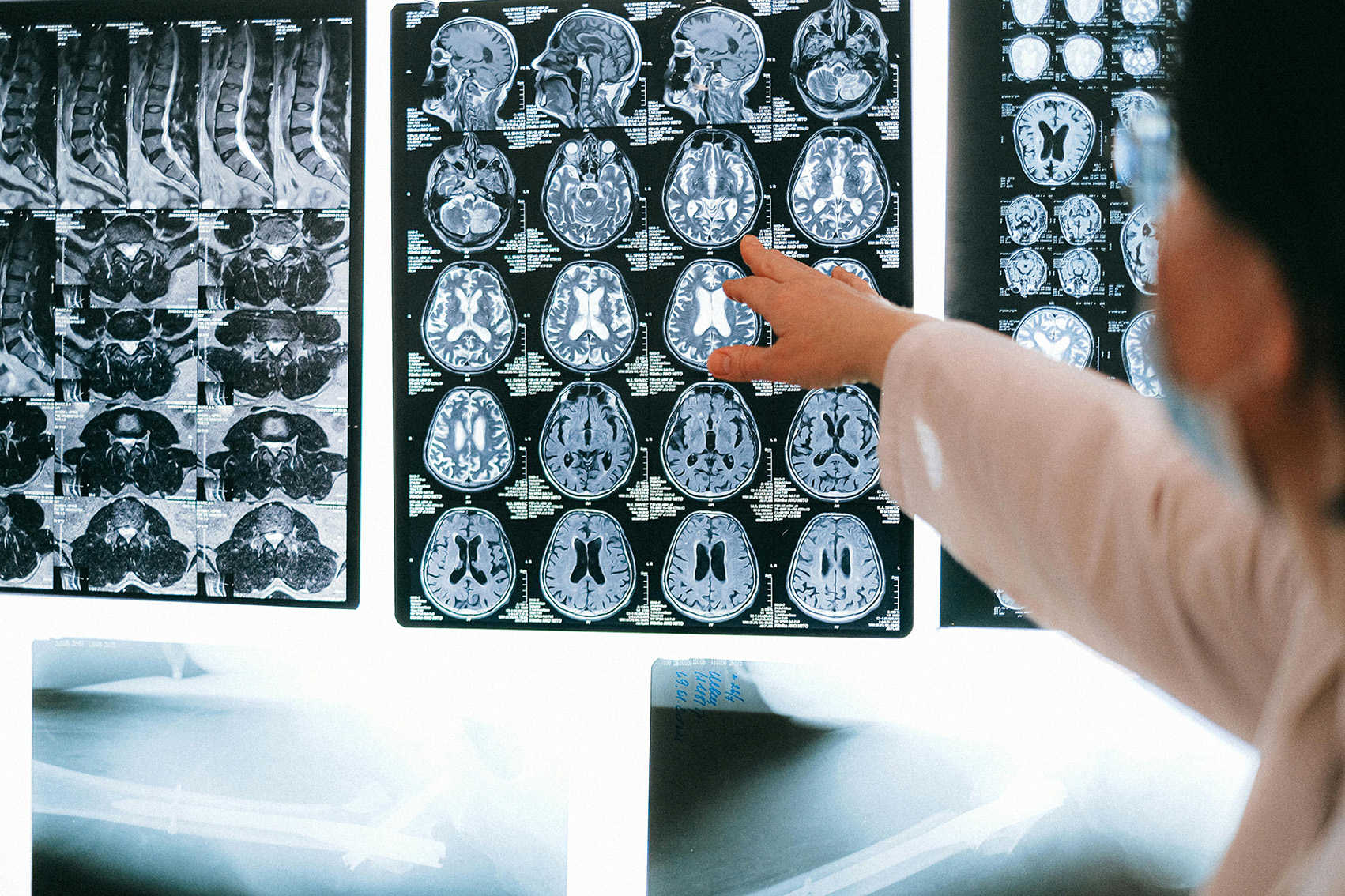
In order to make an accurate diagnosis and TBI classification, medical practitioners take into consideration the severity of the injury, the patient’s symptoms, and the results of all testing and imaging, including CT scans.
The Most Common Classifications for TBI
Mild traumatic brain injury (often referred to as a concussion) is the most common type of TBI. Concussions typically result in disruption of brain function, with symptoms such as:
- Confusion
- Headache
- Dizziness
Many individuals recover fully from a concussion within a few days to weeks, but in some cases, persistent lifelong symptoms may follow, and when this happens, it is known as post-concussive syndrome (PCS).
Moderate brain injuries involve considerable damage to the brain tissue, leading to more pronounced symptoms, such as:
- Prolonged loss of consciousness
- Memory loss
- Cognitive impairments
In these cases, rehabilitation is necessary to address residual deficits and promote recovery.
Severe traumatic brain injury involves extensive brain damage, resulting in long-term impairments in cognitive, physical, and emotional functioning. Individuals with severe TBI require intensive medical care, life-long rehabilitation, and support services to maximize their recovery and quality of life.
Sources: Mayo Clinic and Cincinnati Children’s Hospital Medical Center
Key Facts
2.5 Million
Approximate number of people who suffer a TBI each year
50,000
Result in death
80,000
Result in permanent disability
28%
Traumatic brain injuries are caused by accidents and falls
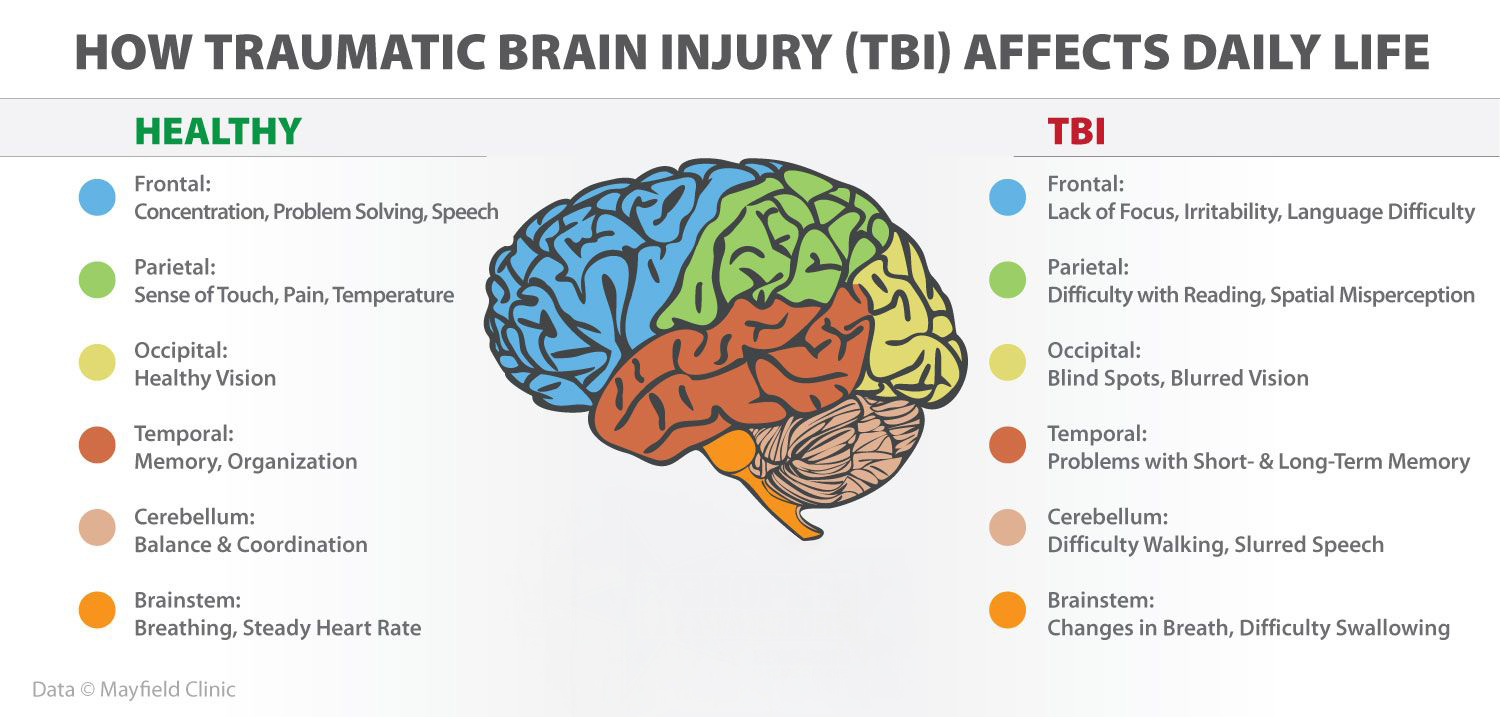
Keep in mind that the definitions of the types of TBI are broad and general and do not always help to explain the functional effect of a TBI on an individual patient. A patient with a so-called mild TBI — and their loved ones — can face a lifetime of consequences after the injury, including limitations on their ability to earn a living and their independence. Mild is a relative word, and the consequences of the injury can depend upon the perspective. No word or phrase is adequate to describe the cruel circumstances of a patient with a TBI diagnosis. Patients are not their labels. They are individuals who have suffered TBIs. Their injuries are unique, and they each travel on a very personal journey.
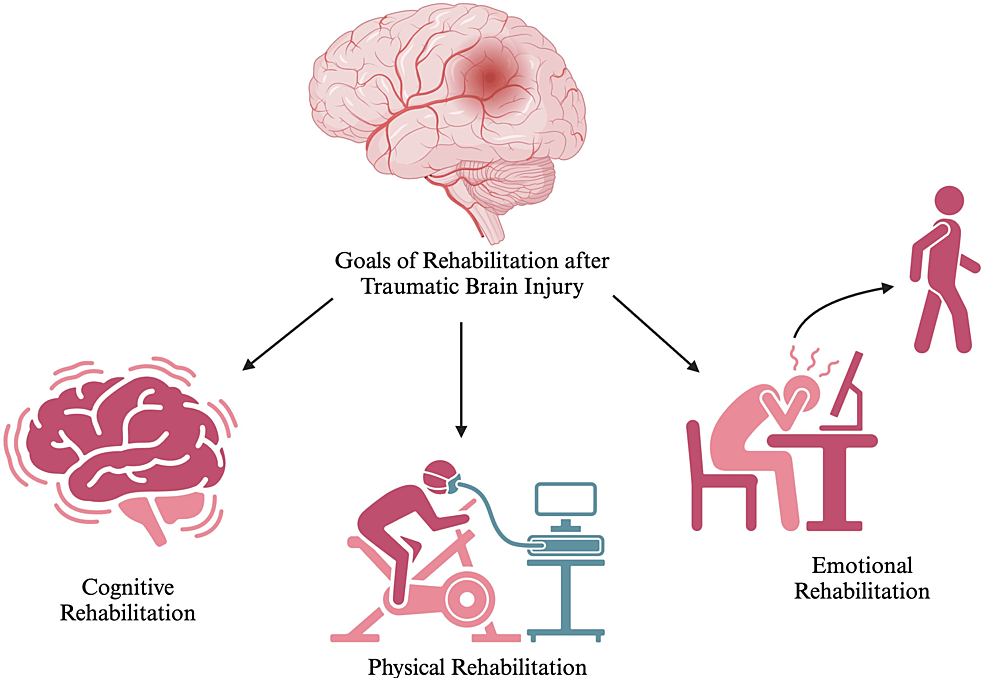
No matter the classification of a TBI, the effective management of the condition requires an appropriate and early diagnosis, targeted interventions, and comprehensive interdisciplinary care.
Gain a deeper understanding of the types, causes, symptoms, and treatments of each TBI classification by reading What Is Traumatic Brain Injury?
Need help investigating your legal rights related to a TBI?
Speak to an experienced brain injury attorney team like Cohen, Placitella & Roth.
For five decades, CPR has successfully represented individuals and families in TBI cases nationwide working with qualified co-counsel.

Get Our Free Traumatic Brain Injury Book
To learn more about Traumatic Brain Injury request our comprehensive book, available for free directly to your inbox
Learn More

The Case of the Negligent Insurance Agent