Symptoms of TBI: Open vs. Closed Brain Injuries
Understanding the symptoms associated with both open and closed traumatic brain injuries is crucial for early detection and effective treatment.
Request our Free Book on Traumatic Brain Injury
If you or a loved one has suffered an open or closed traumatic brain injury (TBI), you should be aware of the distinct symptoms of each condition — and understand the medical attention the medical team uses to safely and effectively manage them.
Key Takeaways
- Open and closed traumatic brain injuries have different symptoms, but both can be serious and require medical attention, especially if symptoms worsen or new issues develop over time.
- The difference between an open head injury and a closed head injury comes down to whether the skull is broken, which affects visible symptoms, infection risk, and the emergency treatment required.
- Open head injuries often involve visible trauma, such as skull fractures, bleeding, seizures, unequal pupils, or fluid leaking from the nose or ears, while closed head injuries are more likely to cause headaches, dizziness, memory issues, balance problems, and mood or behavior changes.
- Some TBI symptoms are delayed and may not appear immediately after an accident, making early monitoring and prompt medical evaluation important for proper diagnosis and treatment.
Open vs. Closed Head Injury: What’s the Difference?
The main difference between an open head injury and a closed head injury comes down to whether the skull is broken. An open head injury occurs when an object penetrates the skull and directly damages the brain tissue, causing visible trauma like bleeding, a skull fracture, or an exposed wound. A closed head injury happens when the brain is injured by the force of an impact or violent movement, but the skull itself remains intact, with no external wound.
Both types of injury can range from mild to life-threatening. The key differences show up in visible symptoms, infection risk, and the type of emergency treatment required.
- Skull integrity: Open injuries involve a break or puncture in the skull; closed injuries leave the skull intact.
- Visible trauma: Open injuries often cause visible wounds, bleeding, or fluid leakage; closed injuries usually show no external signs.
- Common causes: Open injuries are often caused by gunshot wounds, sharp object penetration, or severe skull fractures; closed injuries are more often caused by falls, car accidents, and sports impacts.
- Infection risk: Open injuries carry a higher risk of infection because brain tissue is exposed; closed injuries carry a lower infection risk.
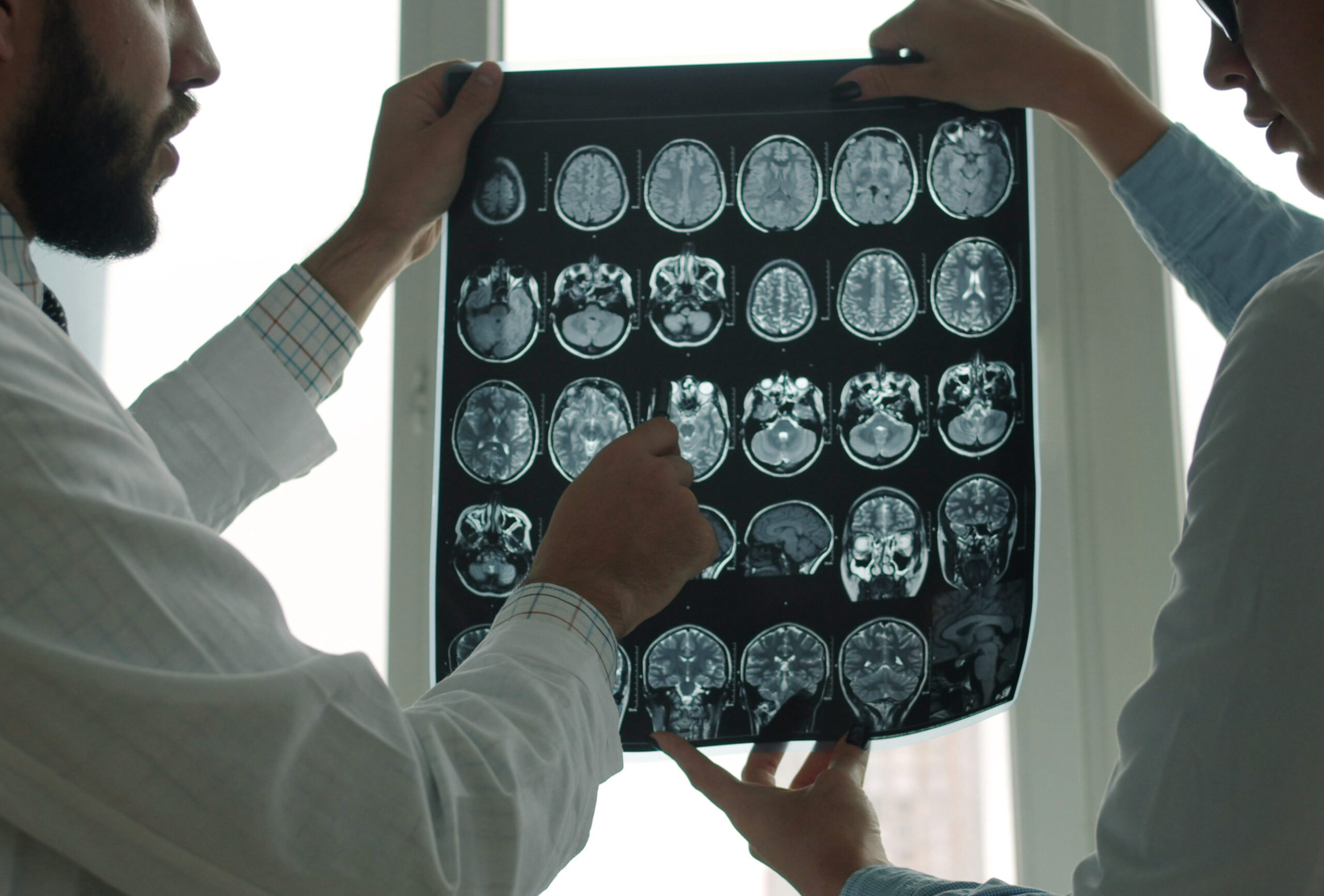
- Diagnosis: Open injuries are often diagnosed on sight; closed injuries typically require CT or MRI imaging to confirm.
Open Traumatic Brain Injuries
An open head injury, also known as a penetrating brain injury, occurs when an object pierces through the skull and enters the brain tissue.
Closed Traumatic Brain Injuries
A closed head injury, also known as a closed brain injury, when there is no visible penetration of the skull, but brain tissue is damaged due to a sudden impact or violent shaking. In a closed TBI, the person’s brain is injured by rapid movements within the skull, during which the brain tissues strike the interior, bony structures of the skull. As a result, brain tissue and blood vessels may be bruised and torn.
This process can result in specific diagnoses such as a subdural hematoma or diffuse axonal injury, both of which are explained in more detail in our guide to TBI medical terminology.
Closed-head injuries are particularly common in brain injuries from car accidents, where rapid deceleration forces cause the brain to strike the interior of the skull without external penetration.
Keep in mind that some symptoms of both open and closed TBIs may not be apparent immediately and can worsen over time.
Learn more by reading What Is Traumatic Brain Injury?
Need help investigating your legal rights related to a TBI?
Speak to an experienced brain injury attorney team like Cohen, Placitella & Roth.
For five decades, CPR has successfully represented individuals and families in TBI cases nationwide working with qualified co-counsel.

Get Our Free Traumatic Brain Injury Book
To learn more about Traumatic Brain Injury request our comprehensive book, available for free directly to your inbox